


What is Chikankari? Understanding Lucknow’s Timeless Hand Embroidery

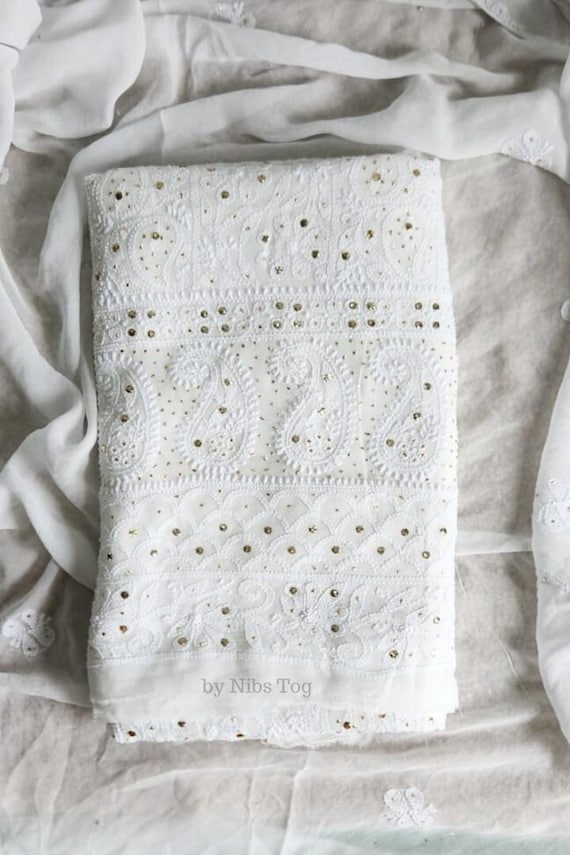

Chikankari is one of India’s most graceful and enduring embroidery traditions. Originating in the cultural heart of Lucknow, this delicate hand embroidery is known for its fine stitches, subtle elegance, and timeless appeal.
More than a craft, Chikankari is a legacy — shaped by patience, artistry, and generations of skilled hands.
At Threaded Luxe Chikankari, we honour this heritage by bringing authentic, handcrafted Chikankari to the modern wardrobe.
What Exactly is Chikankari?

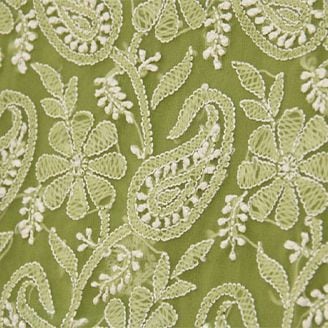

Chikankari is a hand embroidery technique traditionally done using white thread on light fabrics. Inspired by Mughal aesthetics, the motifs often feature flowers, creepers, paisleys, and intricate jaali (net-like) patterns.
Originally practiced on muslin and cotton, Chikankari today adorns fabrics such as:
-
Cotton & muslin
-
Georgette & chiffon
-
Chanderi & Maheshwari silk
While styles have evolved, the essence of Chikankari remains unchanged — soft, elegant, and handcrafted.
The Chikankari Process: From Fabric to Finished Heirloom
Each Chikankari piece passes through multiple stages, with different artisans involved at every step.
1. Designing the Motif


The journey begins with hand-drawn designs inspired by nature and traditional Mughal patterns. These motifs define the personality of the garment.
2. Wooden Block Printing (लकड़ी का ठप्पा)
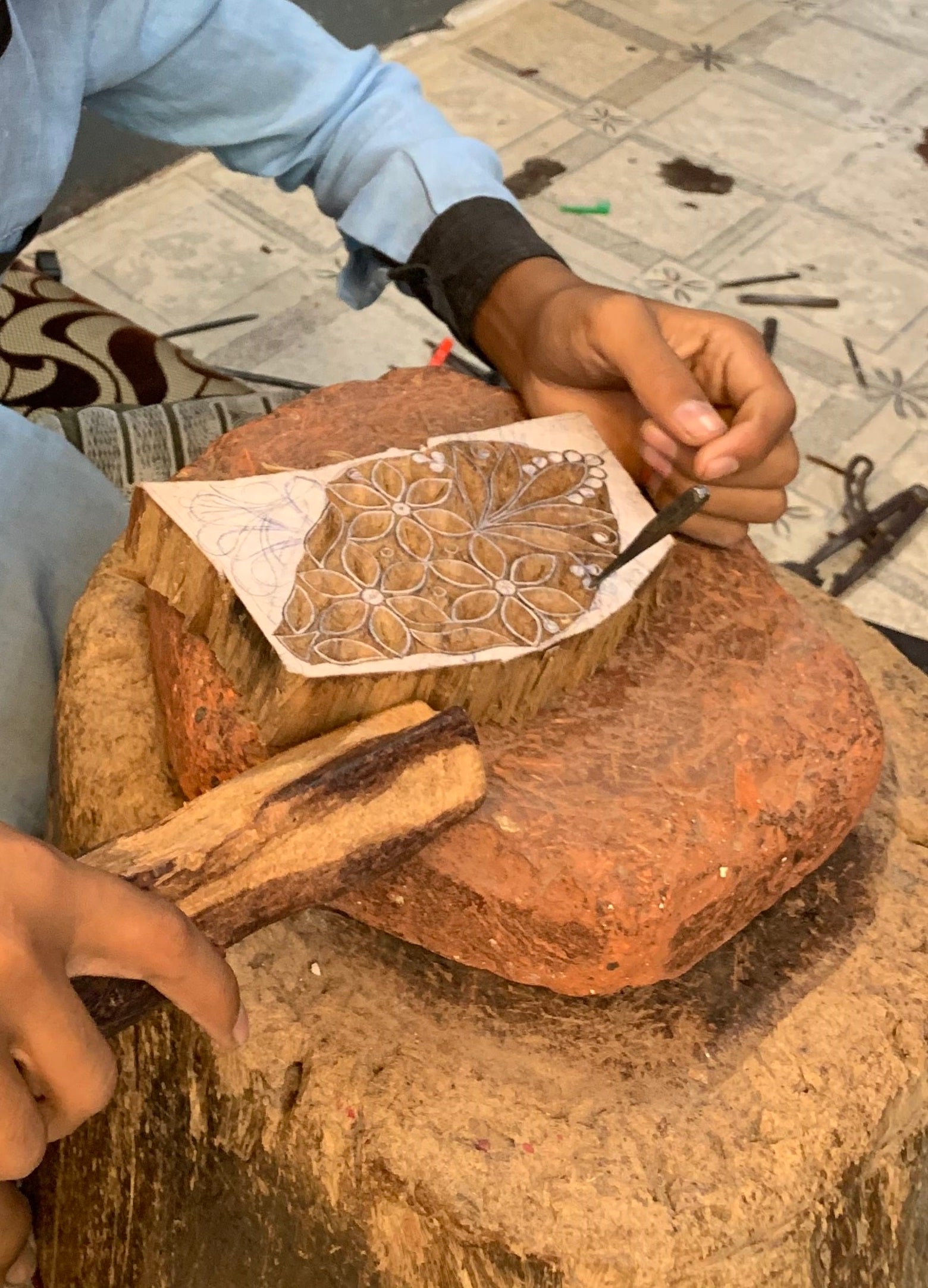
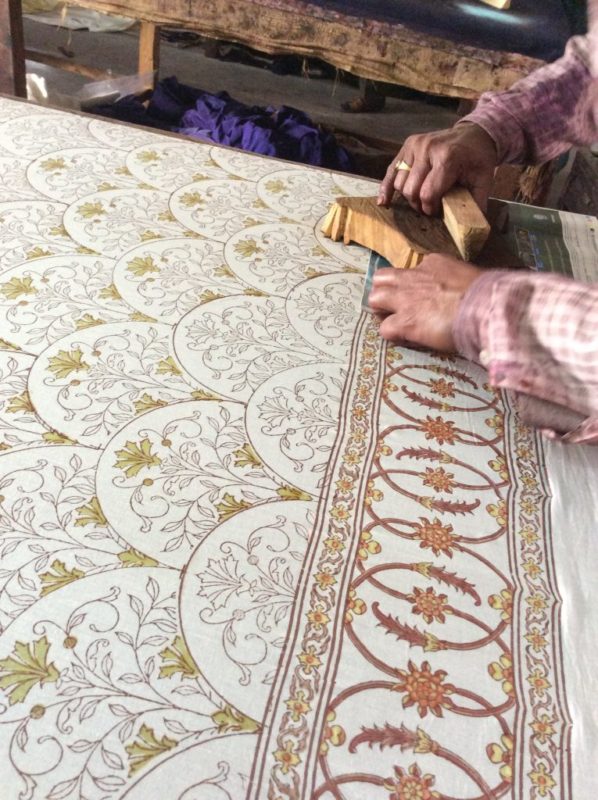
Using hand-carved wooden blocks dipped in washable dye, the design is printed onto the fabric. This step creates a temporary outline that guides the embroidery.
3. Hand Embroidery – The Heart of Chikankari


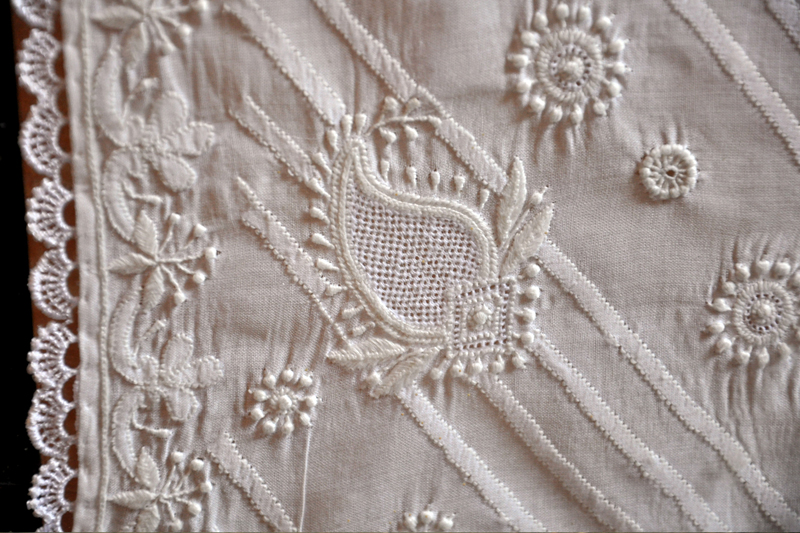
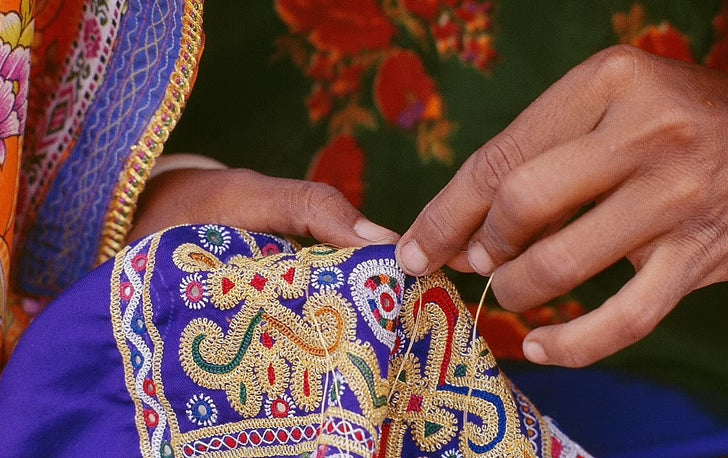
Skilled artisans embroider the fabric entirely by hand. This stage can take several days or even weeks.
Common stitches include:
-
Murri – raised, rice-like knots
-
Phanda – fine knot work for floral centres
-
Bakhiya – shadow embroidery
-
Tepchi – running stitch for outlines
-
Jaali – net-like stitch without cutting threads
Each stitch adds depth, texture, and character.
4. Washing & Finishing
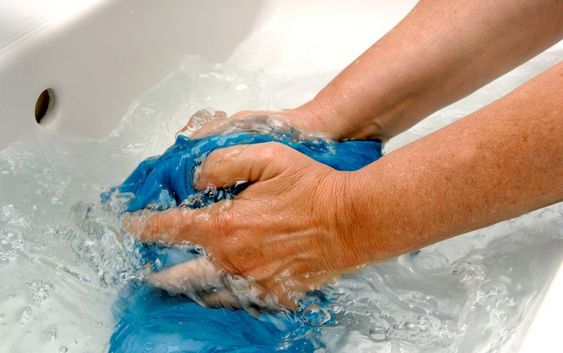


Once embroidery is complete, the fabric is gently washed to remove the block print marks. It is then dried, ironed, and carefully inspected.
5. Dyeing (For Dyeble Fabrics)
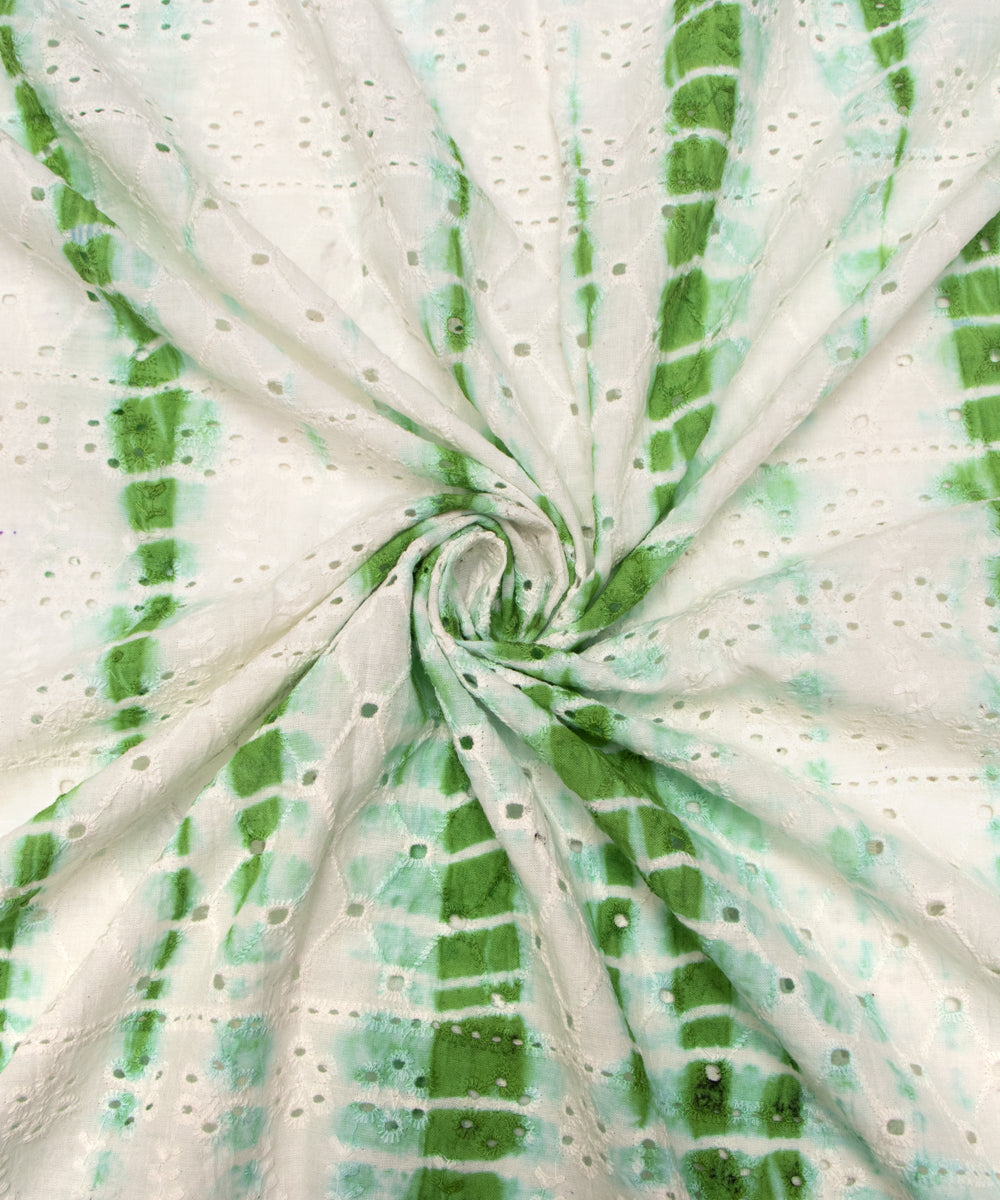
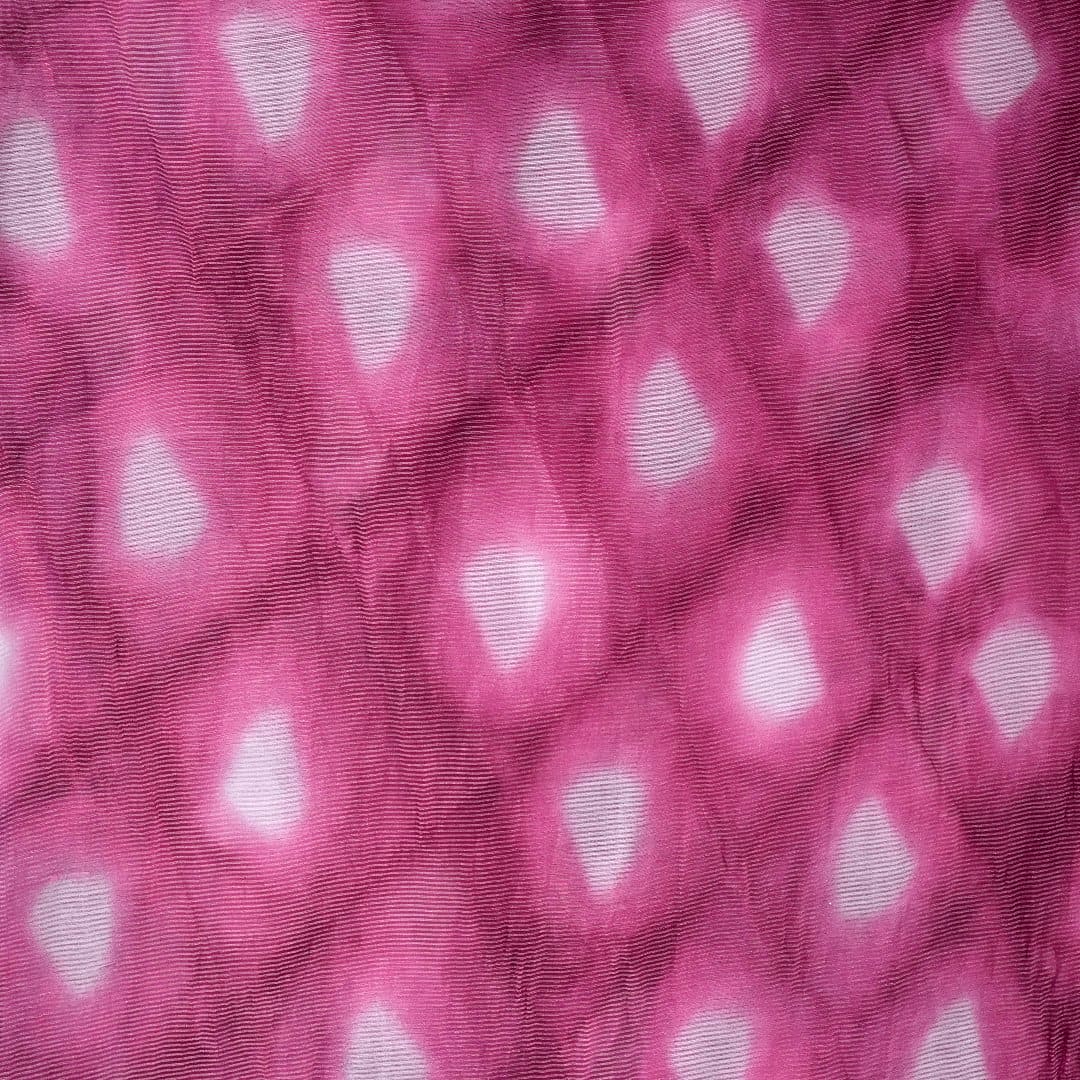
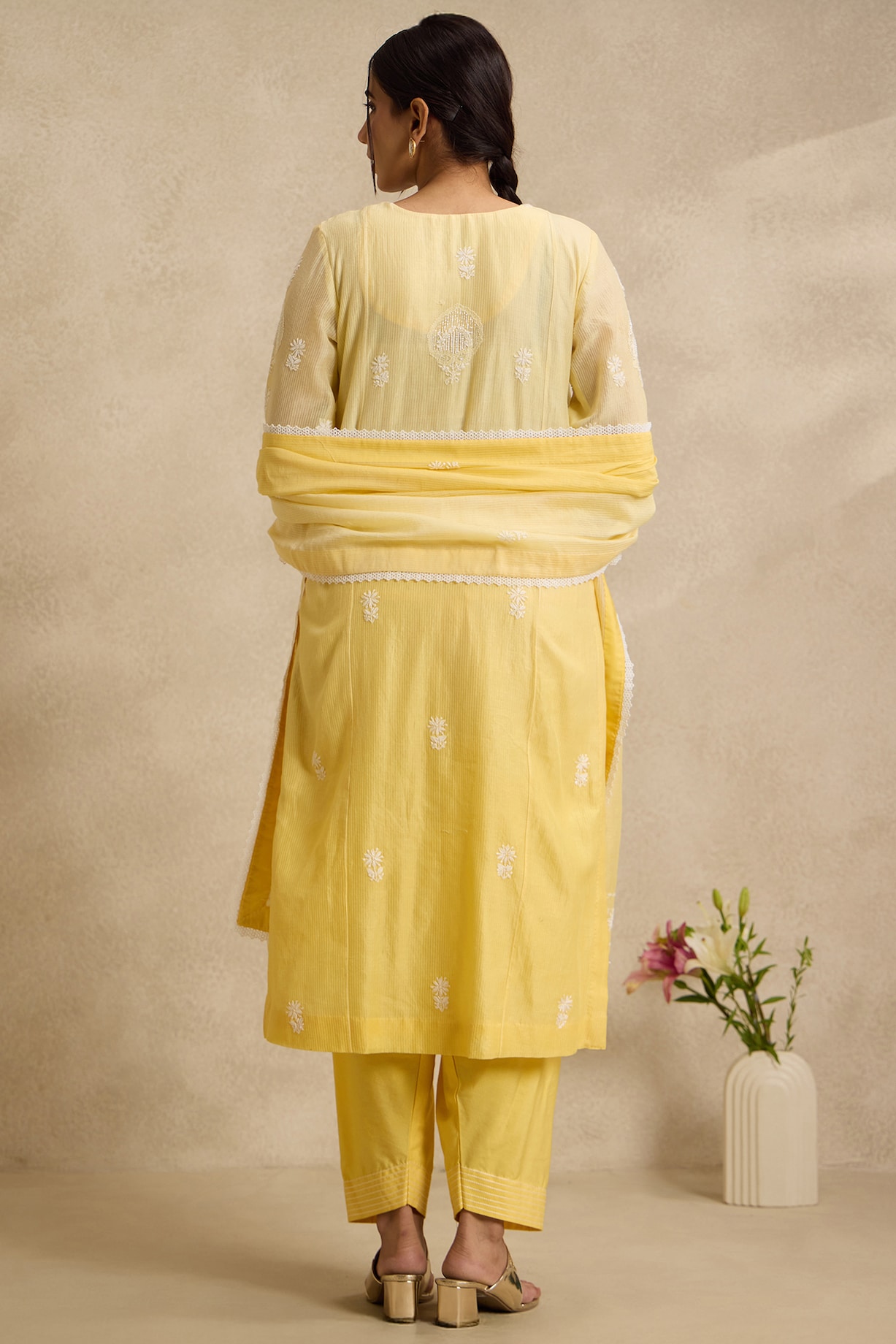
In dyeble fabrics like Chanderi or Maheshwari silk, dyeing is done after embroidery. This preserves the embroidery while giving the fabric rich, lasting colour.
Why Chikankari is Truly Special
-
Entirely handcrafted — no machines
-
Breathable, lightweight, and timeless
-
Each piece is unique
-
Supports artisan livelihoods
-
A perfect example of slow, sustainable fashion
Our Promise at Threaded Luxe Chikankari
At Threaded Luxe Chikankari, we work closely with artisan families from Lucknow to ensure authenticity, ethical craftsmanship, and premium quality fabrics.
Every piece you wear carries a story — of skill, patience, and heritage.
Explore Authentic Chikankari
Discover handcrafted kurtis, suit sets, and sarees that blend tradition with modern elegance.
✨ Shop Authentic Chikankari at Threaded Luxe