


Types of Embroidery in Chikankari: A Complete Guide to Traditional Stitches
Share
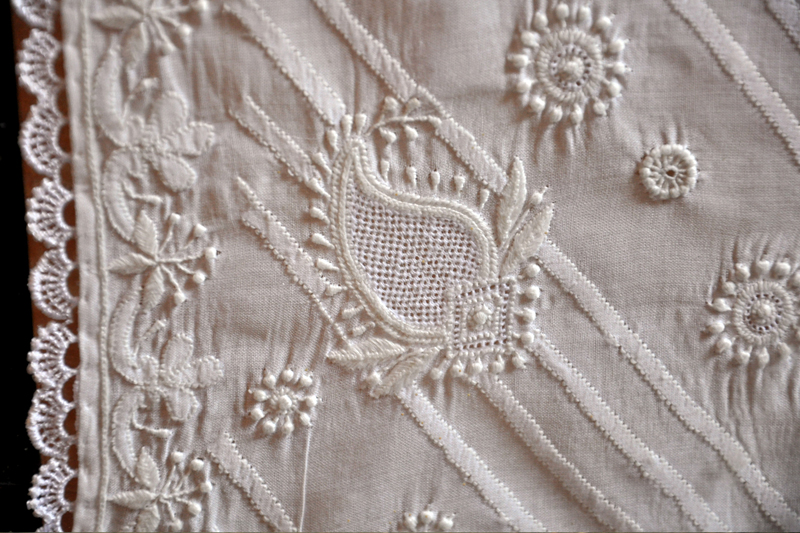

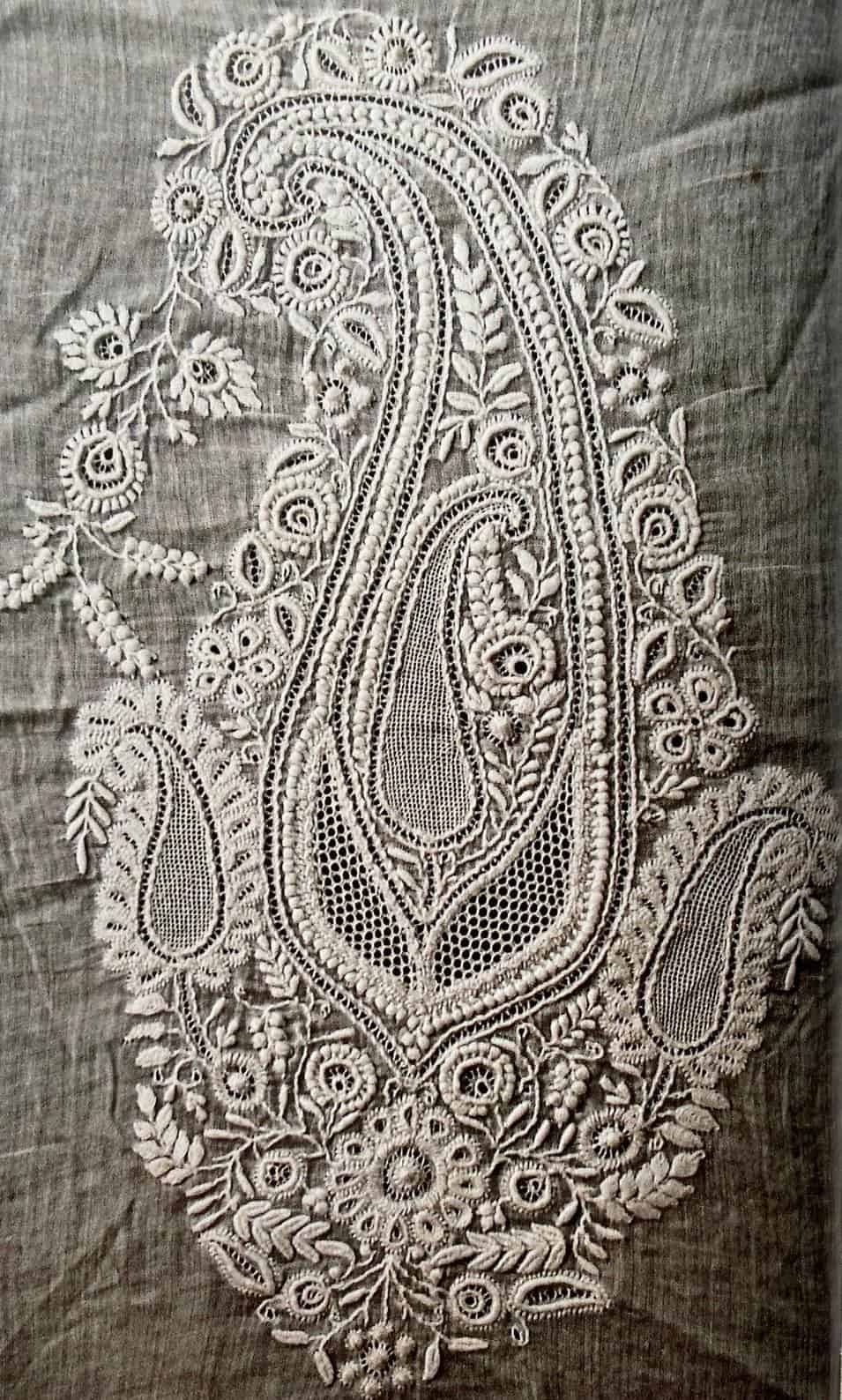
Chikankari embroidery is admired not only for its elegance but also for the variety of intricate hand stitches that bring each design to life. Originating in Lucknow, this timeless craft uses more than 30 different embroidery stitches, each serving a unique purpose and aesthetic.
In this blog, we explore the most important types of embroidery stitches used in Chikankari, helping you understand why authentic hand Chikan is truly unmatched.
1. Tepchi Stitch – The Foundation of Chikankari
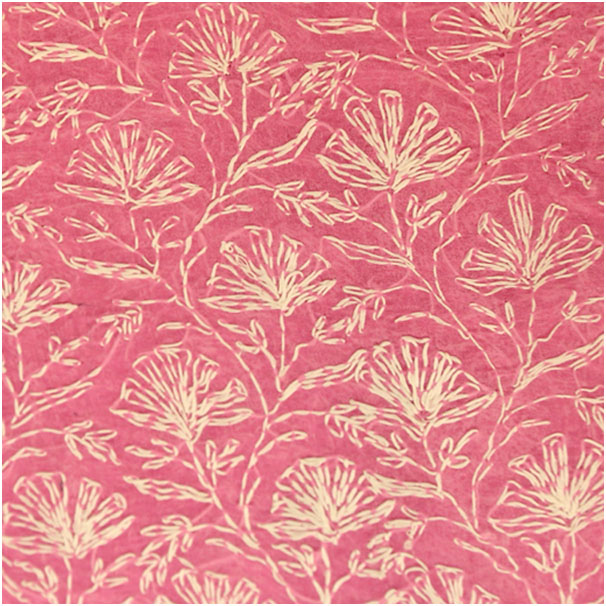

Tepchi is a simple running stitch worked on the right side of the fabric. It forms the base of many Chikankari designs and is often used to outline motifs.
Key Features:
-
Light and delicate
-
Creates clean outlines
-
Often combined with heavier stitches
Used in: Everyday Chikankari kurtis and dupattas
2. Bakhiya (Shadow Work) – The Soul of Elegance


Bakhiya, also known as shadow work, is done from the reverse side of the fabric, creating a soft shadow effect on the front.
Key Features:
-
Gives a smooth, shadow-like appearance
-
Looks subtle yet luxurious
-
Requires high skill
Used in: Premium kurtis, sarees, and suits
3. Murri Stitch – The Mark of Luxury
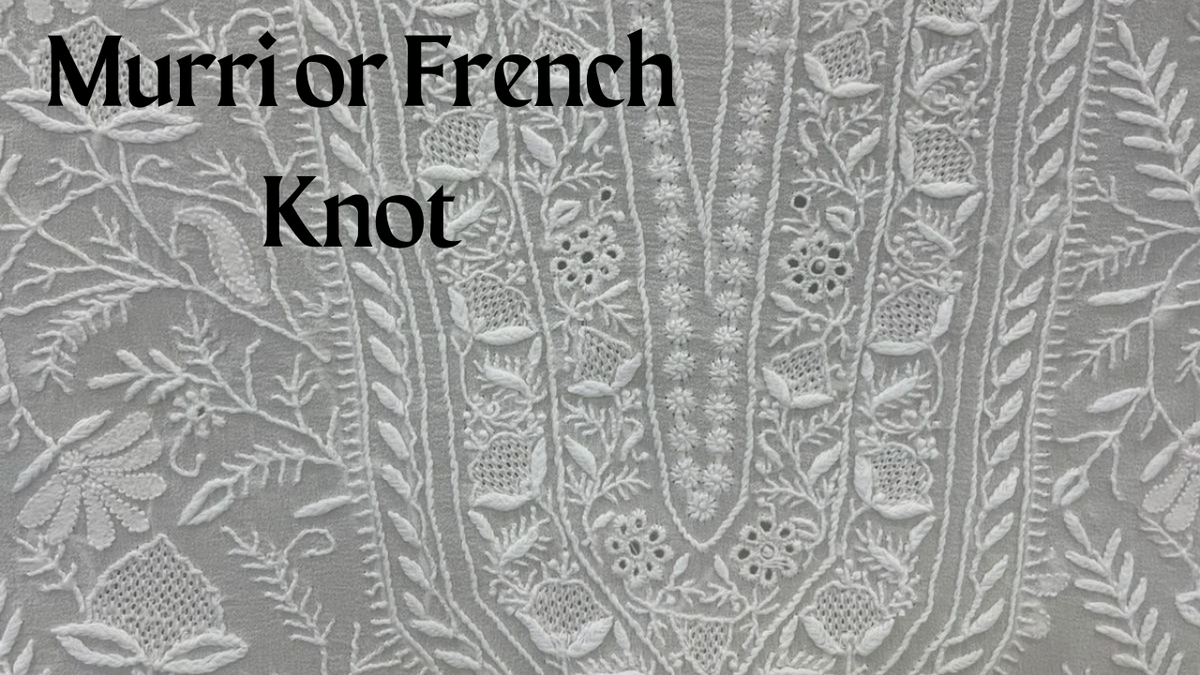
Murri is a raised knot stitch resembling tiny grains of rice. It adds texture and dimension to floral motifs.
Key Features:
-
Three-dimensional effect
-
Time-consuming and intricate
-
Highly valued stitch
Used in: High-end and bridal Chikankari pieces
4. Phanda Stitch – Fine Knot Detailing
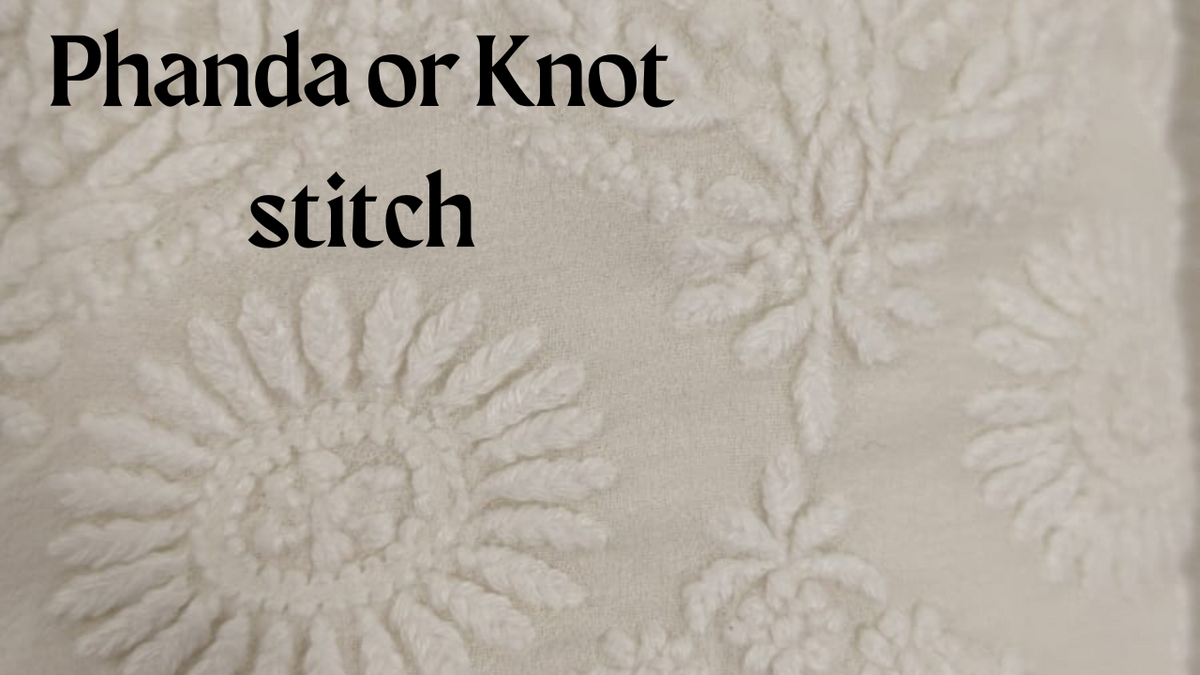
Phanda is similar to Murri but smaller and tighter. It is often used for flower centres and buds.
Key Features:
-
Extremely fine knot work
-
Requires precision
-
Adds refined texture
Used in: Detailed floral designs
5. Jaali Stitch – The Most Skilled Technique

Jaali is a net-like stitch where threads are carefully separated without cutting the fabric, creating sheer openings.
Key Features:
-
No fabric cutting
-
Creates airy, lace-like effect
-
Most difficult Chikankari stitch
Used in: Heirloom and luxury garments
6. Hool Stitch – The Eyelet Beauty
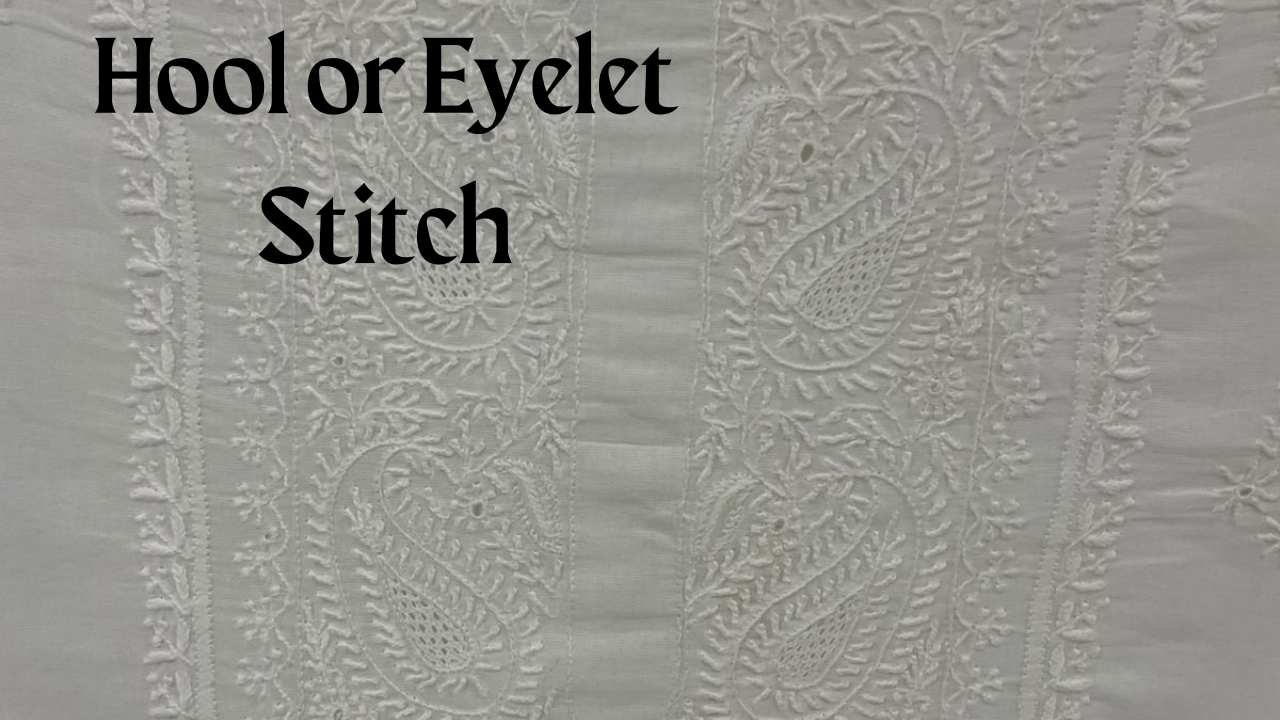

Hool stitch creates tiny eyelets using buttonhole technique, usually forming the centre of flowers.
Key Features:
-
Delicate eyelet look
-
Adds charm and softness
-
Requires fine needlework
7. Rahet Stitch – Chain-Style Embroidery


Rahet resembles a chain stitch and is often used to fill petals and leaves.
Key Features:
-
Creates bold yet elegant lines
-
Enhances motif depth
8. Zanzeera Stitch – The Decorative Outline
Zanzeera is a chain-like outline stitch used to define shapes and borders beautifully.
Why These Chikankari Embroidery Stitches Matter


Each Chikankari garment is a combination of multiple stitches, making every piece unique. The more complex the stitches, the higher the craftsmanship, time, and value of the garment.
Authentic Chikankari:
-
Is always hand embroidered
-
Uses multiple stitch types
-
Cannot be replicated by machines
Threaded Luxe Chikankari: Preserving the Craft
At Threaded Luxe Chikankari, we work closely with Lucknow artisans to preserve these traditional embroidery techniques while presenting them in modern silhouettes.
Every stitch you wear carries history, skill, and timeless beauty.
Explore Handcrafted Chikankari
Discover kurtis, suit sets, and sarees crafted using authentic Chikankari embroidery techniques.
✨ Shop Authentic Chikankari at Threaded Luxe